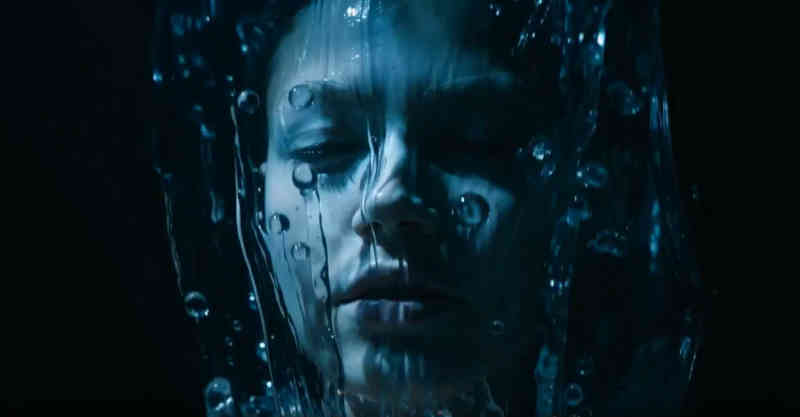
Production Glossary.Learn the Language of Film.
Essential concepts from storyboarding and shot types to color grading and visual storytelling. Each entry is written to be practical, educational, and connected to modern production workflows.
Minutes
Script → board
Top-tier
AI video models
End-to-end
One timeline
Included
Image + voice + SFX
Powered by best-in-class AI models
Studio Reel
Every term has a visual counterpart
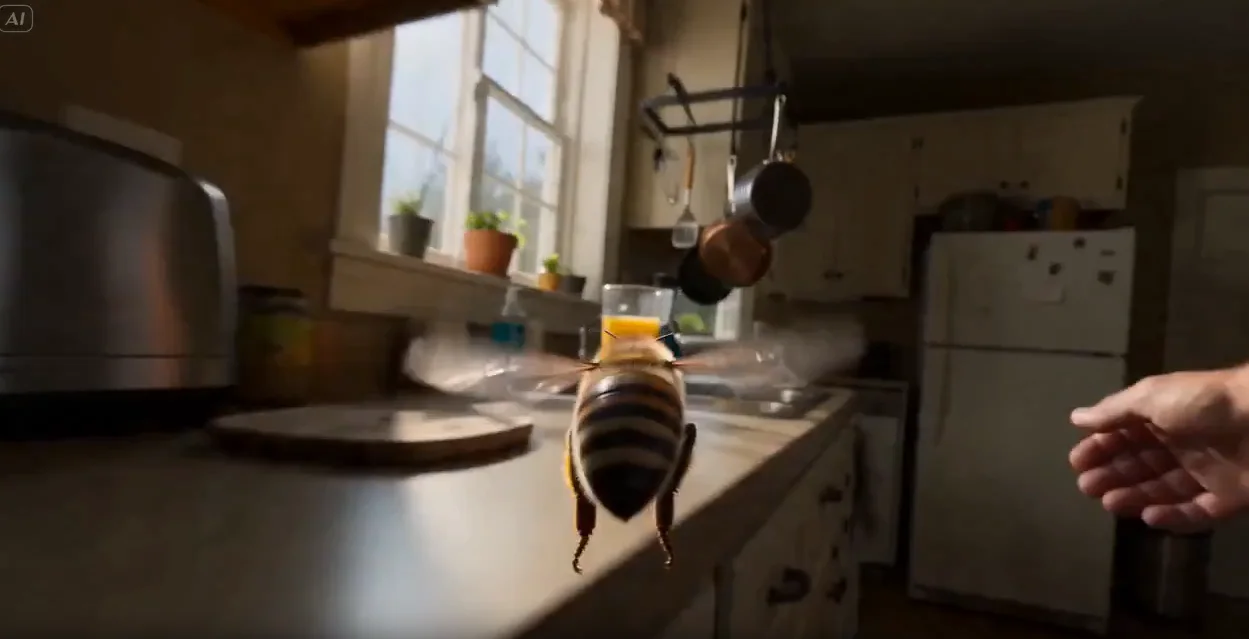
Browse cinematic samples that map glossary concepts — composition, motion, mood — into finished frames.
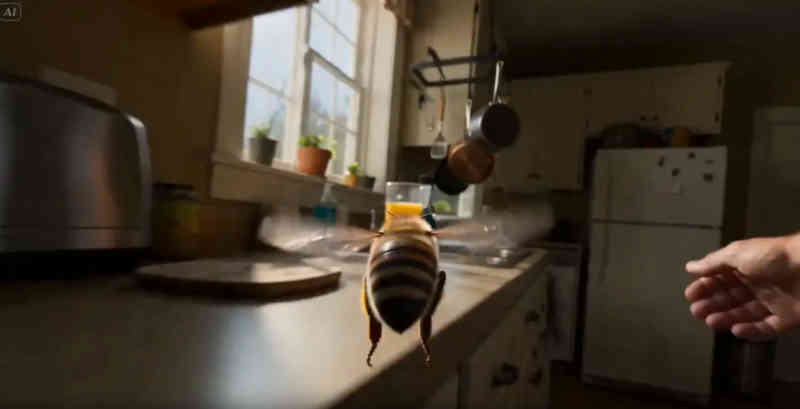
Cinematic motion
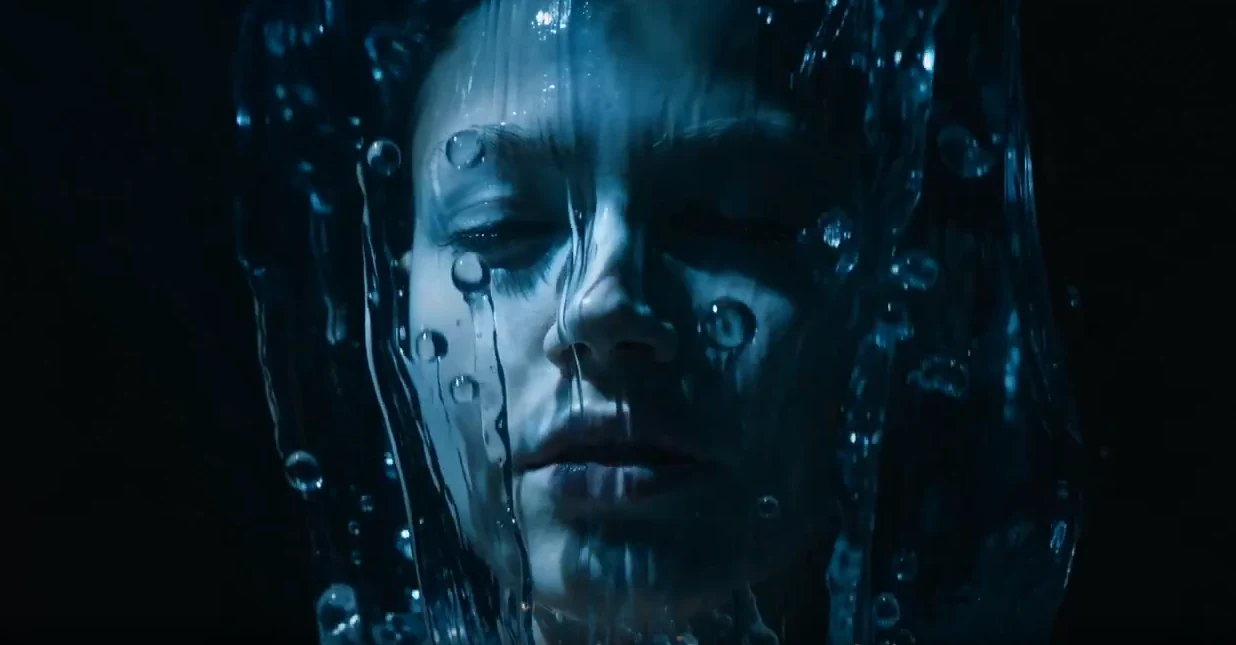
Character continuity
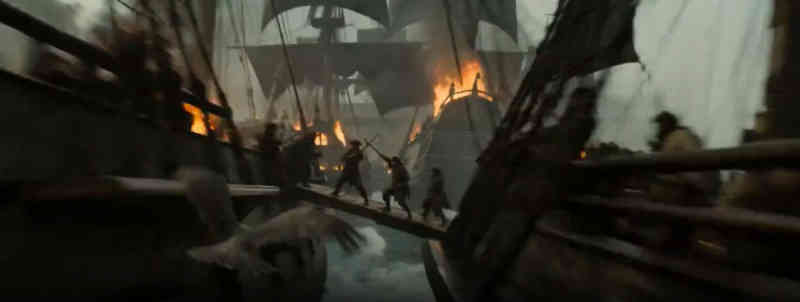
Action staging
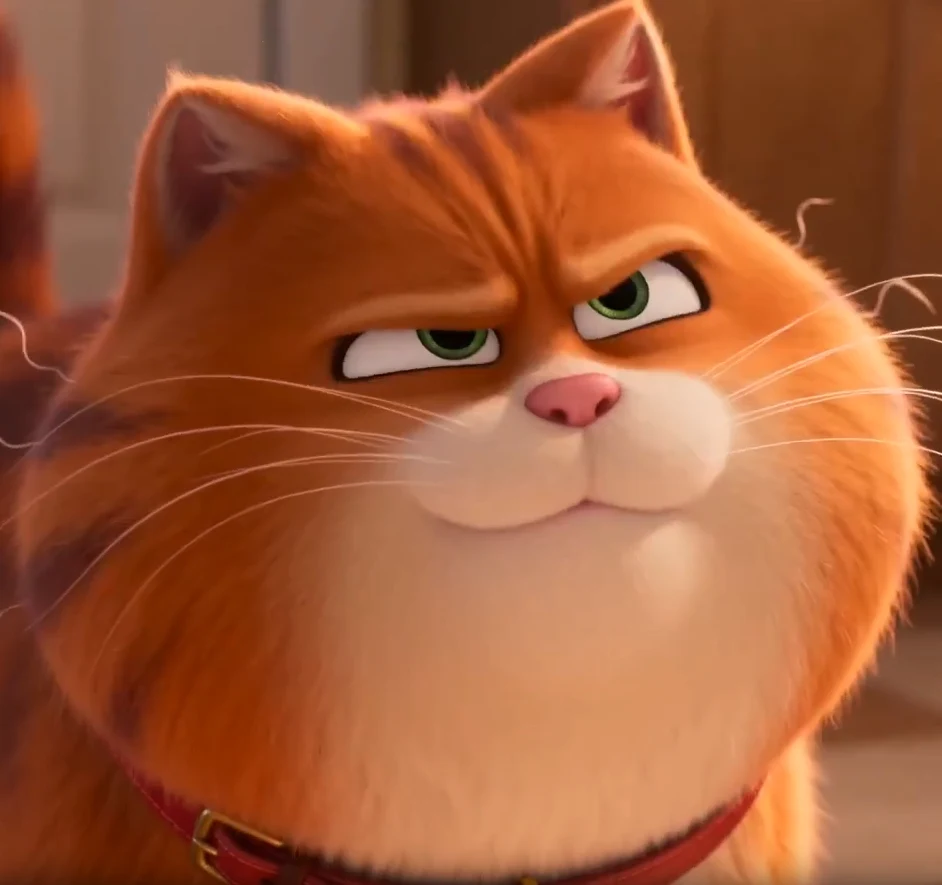
Mood lighting

Product look
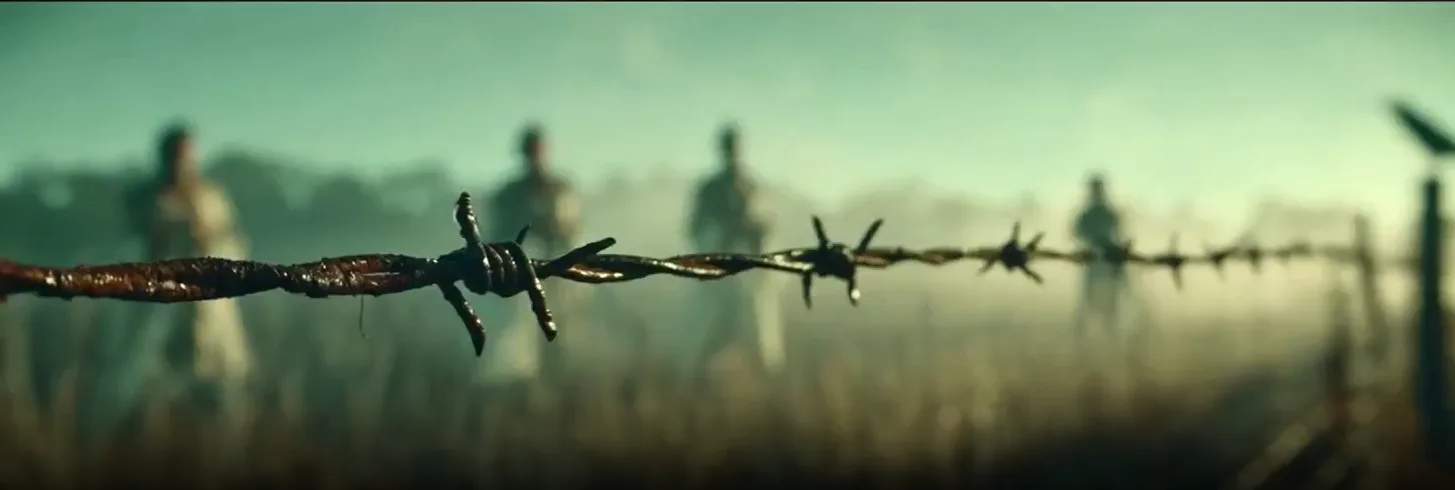
Narrative beat
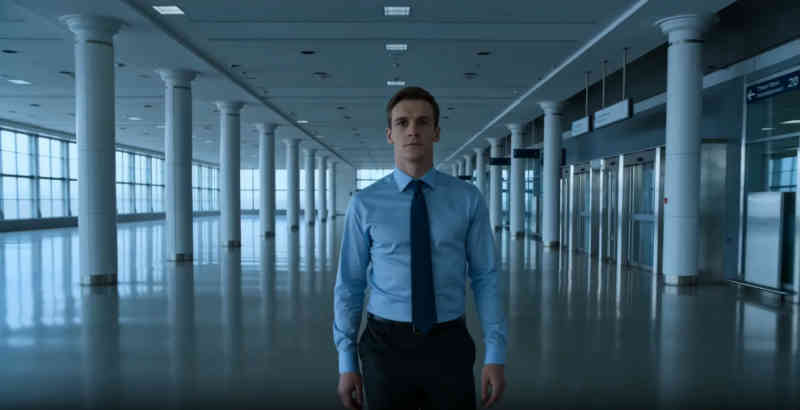
Animatic energy
Showing 19 terms
Storyboarding & Planning
4 concepts
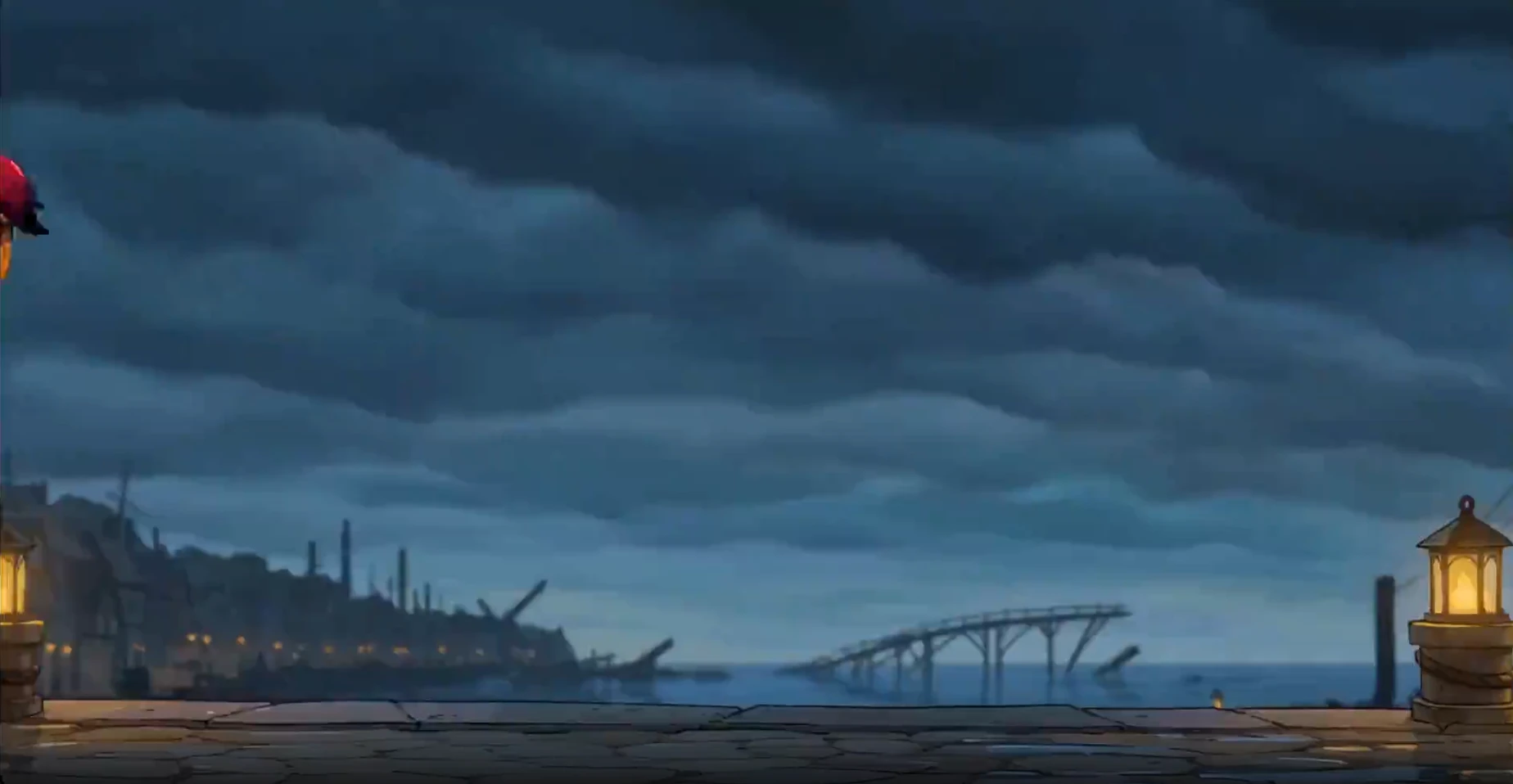
Camera & Composition
4 concepts

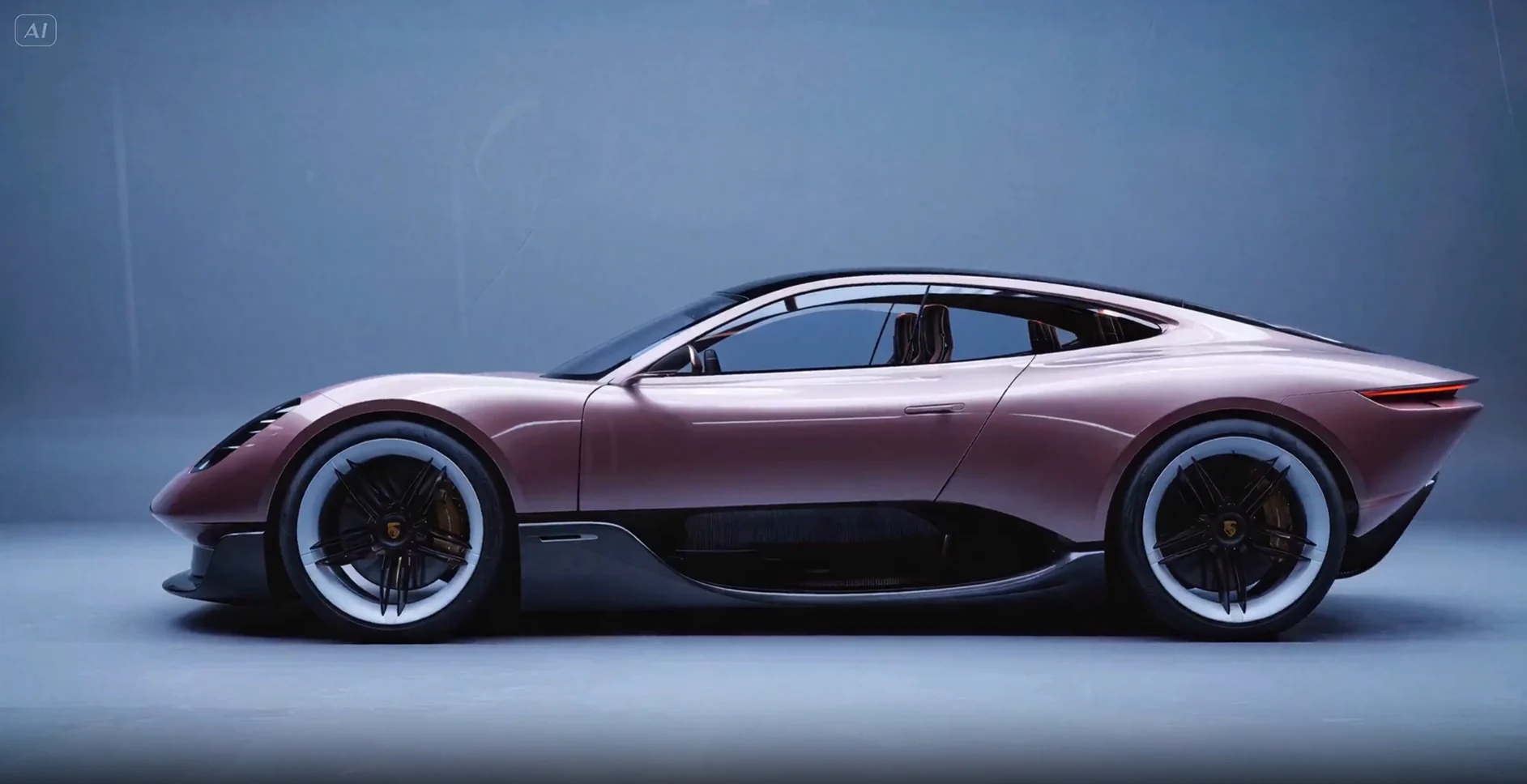
Genres & Styles
3 concepts
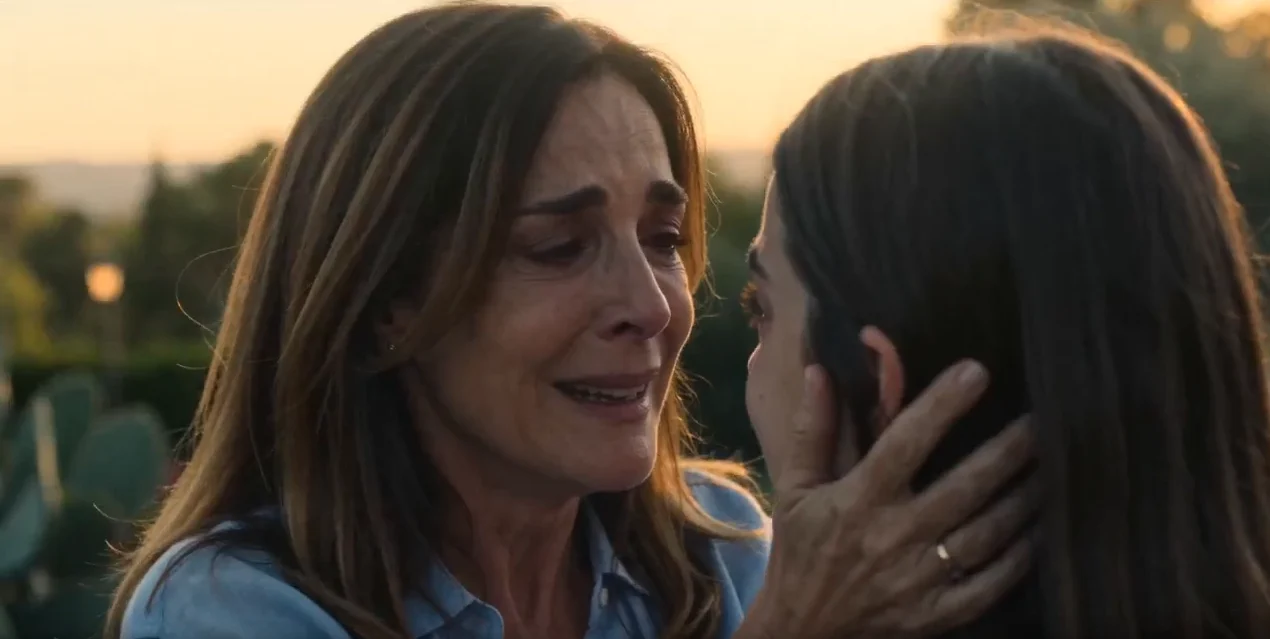
Storytelling & Direction
4 concepts
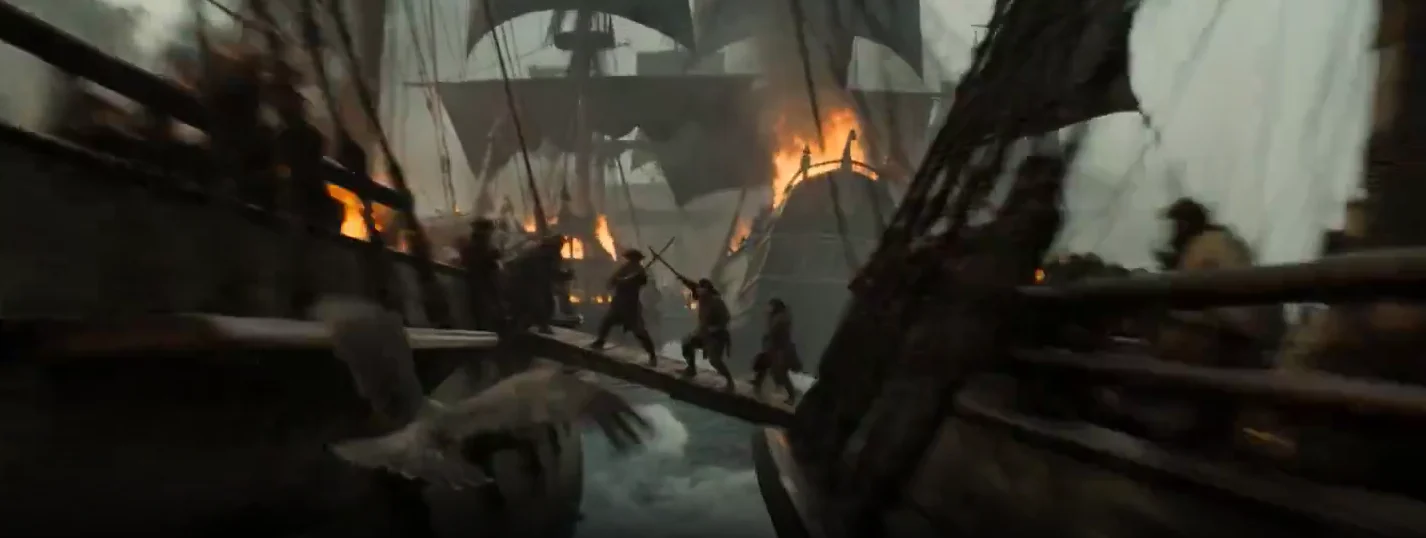
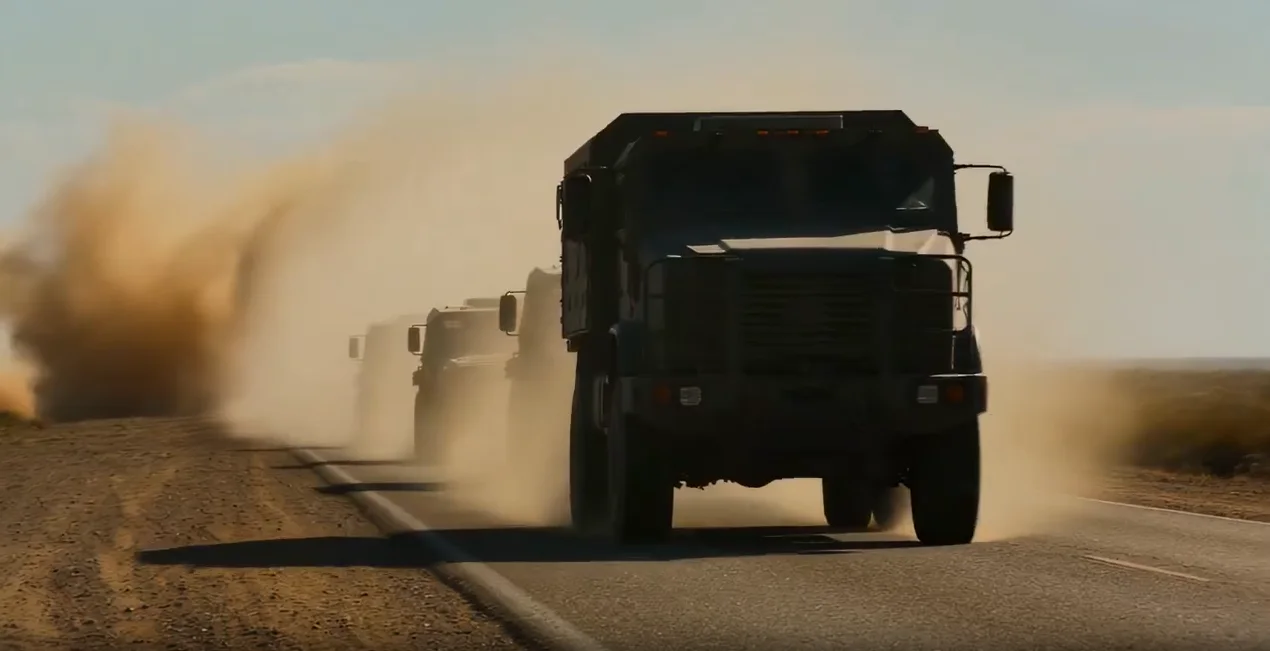
Post-Production & Technique
4 concepts
Vocabulary that holds across shots
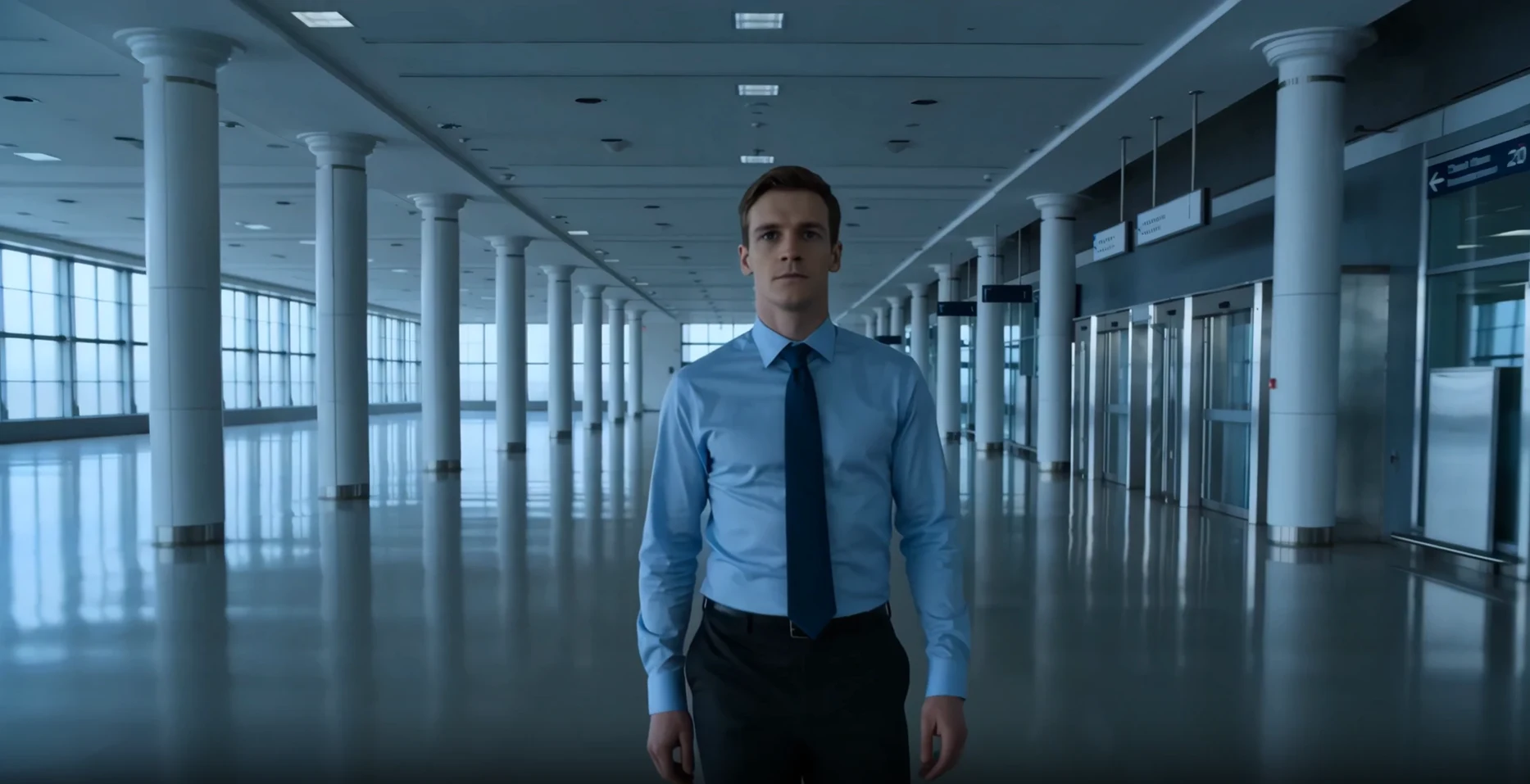
Definitions matter more when you can see composition, continuity, and character lock on a real board.

Shot 1 — Establishing wide
INT. warehouse, dawn. Hero framed small against the space.
Why M Studio
Learn the craft. Ship the board.
Glossary entries stay practical — each one connects film language to modern AI production workflows.
One session
Script, storyboard, video, voice, and sound in a single workflow — no tool switching.
4K
Cinematic concept frames generated straight from a text prompt.
16 languages
Write, direct, and narrate films end to end — scripts, dialogue, and voiceover in your language.
30–120 min
Plans built for 30-, 60-, and 120-minute productions.
From Learning to Creating
Put these concepts into practice with AI-powered storyboarding.
M Studio combines AI image generation, script writing, video generation, and timeline editing in a single workspace. Turn your knowledge into visual stories.

From script to screen in six steps
Studio builds a film shot by shot, and you direct every frame — this is the whole path, start to finish.
- 01
Create a project
Start from a one-line brief, or import a screenplay PDF and build straight from the pages you already wrote.
- 02
Add your script
Scenes, action and dialogue laid out shot by shot — editable line by line before anything renders.
- 03
Add your characters
Add each character once with a reference image so the same face carries across every shot in the film.
- 04
Build the storyboard
Your script breaks into frames on a canvas. Reorder, reframe and re-prompt any shot until the board reads right.
- 05
Generate the video
Turn approved frames into motion one shot at a time, then layer voiceover, music and sound effects.
- 06
Export the cut
Take the finished sequence out as an mp4, mov or webm, ready for the edit or the pitch.
There is no length cap in the editor. Because films are assembled shot by shot, how long a piece can run comes down to how many clips your plan includes — not a limit in the tool.
FAQ
Questions about the glossary
The glossary covers essential film and video production concepts, from foundational techniques like storyboarding, shot types, and camera angles to creative frameworks like three-act structure, mise en scène, and visual storytelling. Each entry is written to be useful for both students learning the craft and professionals looking for a quick reference.
Each entry is concise, practical, and focused on how the concept applies to modern production workflows. Where relevant, entries explain how AI-powered tools like M Studio connect to the concept, helping you bridge theory and practice without leaving the planning stage.
Yes. The glossary is a living resource that will expand as new topics become relevant. If there is a film or video production concept you would like to see covered, reach out and let us know.
Speak the Craft. Ship the Board.
Turn glossary knowledge into production-ready storyboards.
Use M Studio to move from concept language into frames, motion, voice, and export without switching tools.
Plans from $27/mo100% refund within 24hCancel anytime