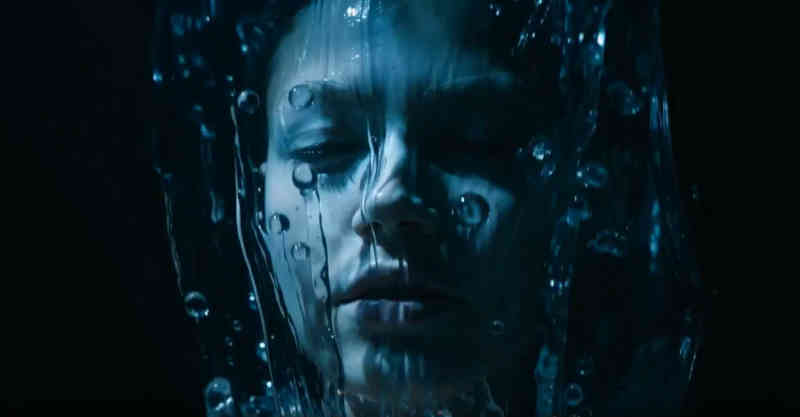
A director's vision is the unified creative concept that guides all artistic decisions in a film or video production, from visual style and tone to performance approach and thematic emphasis. It is the coherent answer to the question: what should this project look, feel, and sound like? The director's vision ensures that every department, from cinematography and production design to costume, sound, and editing, works toward the same creative destination. Articulating this vision clearly during pre-production, often through mood boards, storyboards, and visual references, is one of a director's most important responsibilities. M Studio helps directors express and communicate their vision by generating AI reference images that visualize their creative intent.
Director's Vision.Unifying Every Frame Under One Creative Intent.
A director's vision is the unified creative concept that guides all artistic decisions in a film or video production, from visual style and tone to performance approach and thematic emphasis.
In practice
How “Director's Vision” shows up on screen
Visual samples from M Studio.

Script → board
From script to screen in six steps
Studio builds a film shot by shot, and you direct every frame — this is the whole path, start to finish.
- 01
Create a project
Start from a one-line brief, or import a screenplay PDF and build straight from the pages you already wrote.
- 02
Add your script
Scenes, action and dialogue laid out shot by shot — editable line by line before anything renders.
- 03
Add your characters
Add each character once with a reference image so the same face carries across every shot in the film.
- 04
Build the storyboard
Your script breaks into frames on a canvas. Reorder, reframe and re-prompt any shot until the board reads right.
- 05
Generate the video
Turn approved frames into motion one shot at a time, then layer voiceover, music and sound effects.
- 06
Export the cut
Take the finished sequence out as an mp4, mov or webm, ready for the edit or the pitch.
There is no length cap in the editor. Because films are assembled shot by shot, how long a piece can run comes down to how many clips your plan includes — not a limit in the tool.
FAQ
Common questions about director's vision
Start by reading the script multiple times and identifying the core theme or question. Then ask: what should this feel like to watch? Collect visual references (films, photographs, paintings) that capture the tone. Create a lookbook or mood board. Decide on color palette, lighting approach, and camera movement philosophy. Share these materials with your key collaborators and refine through discussion.
Style refers to the recognizable aesthetic patterns a director uses across projects (Wes Anderson's symmetry, Tarantino's dialogue-driven structure). Vision refers to the specific creative concept for a single project. A director's style informs their vision, but each project's vision should be tailored to the material rather than imposing the same style regardless of story.
Share visual references (still photographs, film clips, paintings), discuss the emotional intention of each scene, create storyboards or shot lists together, watch reference films together and discuss what works and why. The best director-DP relationships involve genuine creative dialogue, not one-way instruction.
Related Terms
Explore related concepts
Visual Storytelling
Visual storytelling is the practice of conveying narrative, emotion, and meaning through images, composition, color, movement, and sequencing rather than through dialogue or text alone.
Read definitionMise en Scène
Mise en scène (French for 'placing on stage') refers to everything that appears within the frame of a shot: set design, lighting, costumes, makeup, actor positioning (blocking), props, and color.
Read definitionFilm Composition
Film composition refers to the deliberate arrangement of visual elements within the camera frame, including subject placement, leading lines, depth, balance, color, and negative space.
Read definitionPre-Production
Pre-production is the planning phase of a film, video, or media project that occurs before cameras roll.
Read definitionWhat Is a Storyboard?
A storyboard is a sequence of illustrations or images arranged in order to pre-visualize a motion picture, animation, motion graphic, or interactive media sequence.
Read definitionM Studio Features
Put this into practice

From Learning to Creating
Ready to bring these concepts to life?
M Studio combines AI storyboarding, script generation, and video production in a single workspace.
Plans from $27/mo100% refund within 24hCancel anytime