Glossary

Shot Types in Film.Every Frame Tells a Different Story.

Definition

Shot types refer to the different ways a camera frames a subject, ranging from extreme wide shots that establish geography to extreme close-ups that capture subtle emotion. Understanding shot types is fundamental to visual storytelling because each framing choice shapes how the audience perceives scale, intimacy, power, and narrative focus. When building storyboards in M Studio, specifying shot types in your prompts ensures AI-generated frames match your directorial intent.

Core Shot Types by Distance

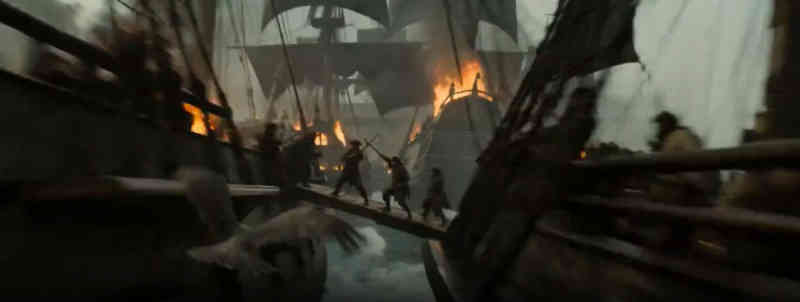
Extreme Wide Shot (EWS)

Shows the subject as a small element within a vast environment. Used to establish location, convey isolation, or emphasize the scale of a landscape. Think of Lawrence of Arabia's desert vistas.

Wide Shot (WS)

Frames the full body of the subject with significant environment visible. Establishes spatial relationships between characters and their surroundings. Also called a long shot.

Medium Wide Shot (MWS)

Frames the subject from roughly the knees up. Commonly called a cowboy shot because it originated in Westerns to show a gunslinger's holstered weapon alongside body language.

Medium Shot (MS)

Frames the subject from the waist up. The workhorse of dialogue scenes, balancing character expression with enough environment to maintain spatial context.

Medium Close-Up (MCU)

Frames from mid-chest up. Favored in interviews and dialogue-heavy scenes because it captures facial expression while keeping hand gestures partially visible.

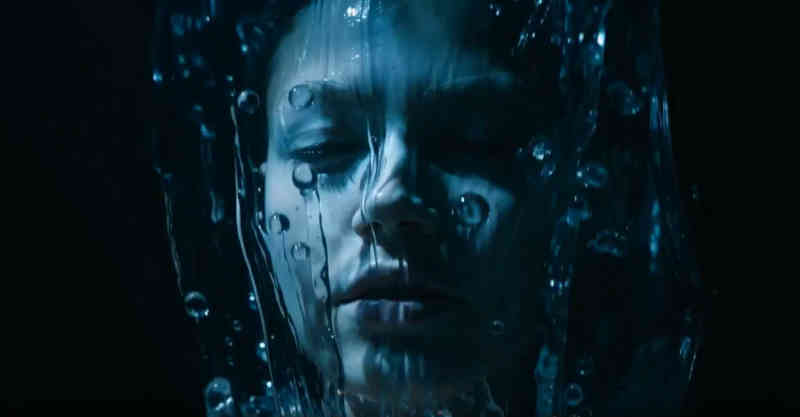
Close-Up (CU)

Fills the frame with the subject's face or a significant object. Draws attention to emotion, reaction, or important detail. One of the most emotionally powerful framings available.

Extreme Close-Up (ECU)

Isolates a very small detail, such as an eye, a trigger finger, or a ticking clock. Creates maximum intensity and forces the audience to focus on a single element.

Specialized Shot Types

Over-the-Shoulder (OTS)

Frames the subject from behind another character's shoulder, establishing spatial relationships in dialogue. It anchors the viewer in one character's perspective while showing the other's reactions.

Point of View (POV)

Shows what a character sees from their optical perspective. Builds empathy and immersion by placing the audience inside a character's experience.

Two Shot

Frames two subjects together, emphasizing their relationship. The spatial distance and relative positioning between them communicates dynamics of power, intimacy, or conflict.

Insert Shot

A close-up of an object or detail within a scene, such as a letter being read, a phone screen, or a hand turning a key. Provides critical information without breaking the scene's rhythm.

Choosing Shot Types for Your Story

Shot selection is not arbitrary. Experienced directors plan shot types during pre-production to create a visual rhythm that supports the emotional arc of each scene. A sequence might begin with a wide establishing shot, move to medium shots during calm dialogue, and tighten to close-ups as tension builds.

The pattern of shot progression also affects pacing. Rapid cutting between tight shots creates urgency, while holding on a wide shot slows things down and lets the audience absorb atmosphere. These decisions are best tested in storyboard form before the camera rolls.

When working in M Studio, describing shot types in your image prompts produces frames that match your intended coverage, making it easier to plan shot lists and communicate with your crew.

FAQ

Common questions about shot types in film

What is the most commonly used shot type in film?

The medium shot is generally considered the most frequently used framing in narrative filmmaking because it balances character expression with spatial context. It is the default framing for dialogue scenes and works well across genres.

How do shot types affect the audience emotionally?

Wider shots create emotional distance and objectivity, while tighter shots build intimacy and intensity. A close-up of a character crying lands harder than the same performance in a wide shot because the audience is forced to confront the emotion directly.

Should I plan shot types during storyboarding?

Yes. Storyboarding is the ideal time to plan shot types because changes are free at this stage. Specifying shots during pre-production ensures the cinematographer, director, and editor are aligned before the shoot begins.

What is the difference between a shot type and a camera angle?

Shot type describes the framing distance between camera and subject (wide, medium, close-up), while camera angle describes the vertical position of the camera relative to the subject (high angle, low angle, eye level). Both work together to shape the visual meaning of a shot.

Ready to bring these concepts to life?

M Studio combines AI storyboarding, script generation, and video production in a single workspace.