Action
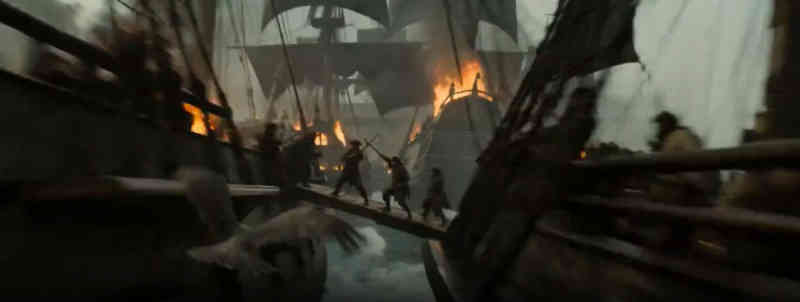
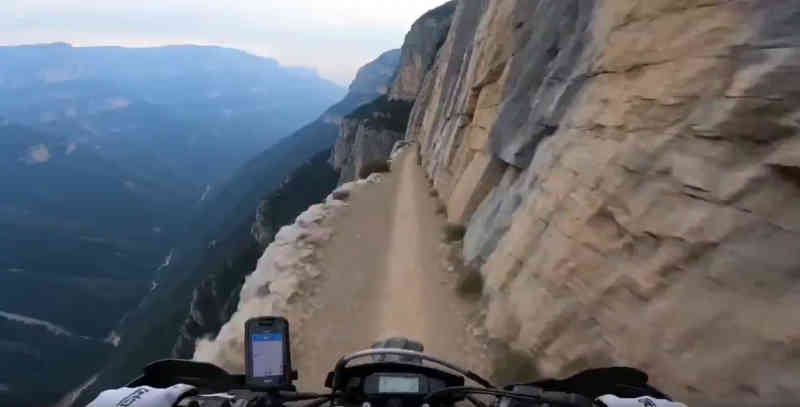
Centered on physical conflict, stunts, chases, and combat. Characterized by fast editing, dynamic camera work, and high-energy set pieces. Subgenres include martial arts, superhero, and spy action.
Comedy
Designed to provoke laughter through situational humor, dialogue, physical comedy, or absurdity. Subgenres range from romantic comedy and satire to dark comedy and slapstick.
Drama
Focuses on realistic character development and emotional themes. The broadest genre, often combined with others. Prioritizes performance, dialogue, and internal conflict over spectacle.
Horror
Aims to create fear, dread, or disgust through supernatural, psychological, or visceral threats. Visual style emphasizes darkness, disorientation, and shock. Subgenres include slasher, supernatural, body horror, and folk horror.
Science Fiction
Explores speculative concepts involving science, technology, space, time, or alternate realities. Often uses visual effects-heavy world-building. Subgenres include cyberpunk, space opera, dystopia, and hard sci-fi.
Thriller / Suspense
Builds tension, uncertainty, and anxiety through narrative pacing and visual techniques. The audience knows more than the characters (suspense) or less (mystery). Subgenres include psychological thriller, legal thriller, and political thriller.
Documentary
Non-fiction filmmaking that presents real events, people, or issues. Styles range from observational (cinema verite) to essay films to fully narrated expository documentaries.
Animation
Films created frame by frame through drawing, CGI, stop-motion, or other techniques. Animation is both a medium and effectively a genre, spanning every other genre category from comedy to horror.