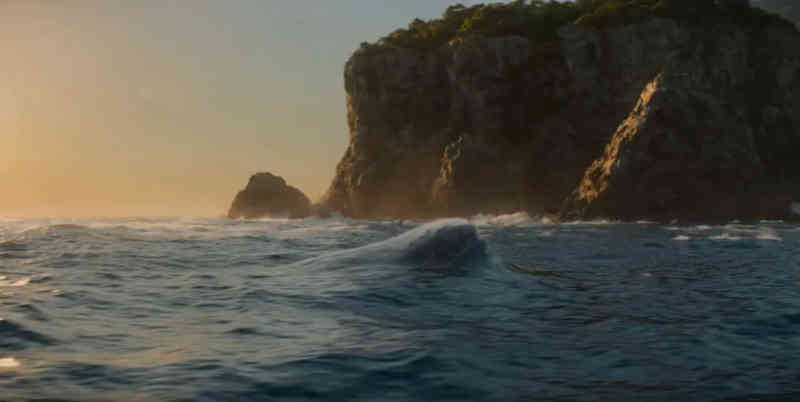
A spaghetti western is a subgenre of Western films produced by Italian filmmakers, primarily during the 1960s and 1970s. Named somewhat dismissively by American critics (referencing Italy's culinary associations), the genre was pioneered by Sergio Leone, whose Dollars Trilogy starring Clint Eastwood redefined the Western with extreme close-ups, Ennio Morricone's iconic scores, stylized violence, and morally ambiguous antiheroes. Spaghetti westerns stripped away the idealism of classic Hollywood Westerns and replaced it with a grittier, more operatic vision of the frontier. These films remain a masterclass in visual storytelling, with shot composition and editing techniques that filmmakers still study and reference when building storyboards today.
Spaghetti Western.Italian Reinvention of the American Frontier.
A spaghetti western is a subgenre of Western films produced by Italian filmmakers, primarily during the 1960s and 1970s.
In practice
How “Spaghetti Western” shows up on screen
Visual samples from M Studio.
Script → board
From script to screen in six steps
Studio builds a film shot by shot, and you direct every frame — this is the whole path, start to finish.
- 01
Create a project
Start from a one-line brief, or import a screenplay PDF and build straight from the pages you already wrote.
- 02
Add your script
Scenes, action and dialogue laid out shot by shot — editable line by line before anything renders.
- 03
Add your characters
Add each character once with a reference image so the same face carries across every shot in the film.
- 04
Build the storyboard
Your script breaks into frames on a canvas. Reorder, reframe and re-prompt any shot until the board reads right.
- 05
Generate the video
Turn approved frames into motion one shot at a time, then layer voiceover, music and sound effects.
- 06
Export the cut
Take the finished sequence out as an mp4, mov or webm, ready for the edit or the pitch.
There is no length cap in the editor. Because films are assembled shot by shot, how long a piece can run comes down to how many clips your plan includes — not a limit in the tool.
FAQ
Common questions about spaghetti western
American and British film critics coined the term as a mildly derisive reference to the films' Italian origin. The filmmakers themselves did not use the term. Despite the dismissive intent, the label stuck and is now used neutrally to describe the entire subgenre.
The Good, the Bad and the Ugly (1966) is widely considered the genre's masterpiece and the best starting point. It showcases all of Leone's signature techniques, features one of cinema's greatest scores by Ennio Morricone, and tells a gripping story set against the American Civil War.
Their influence is enormous. Quentin Tarantino's entire aesthetic draws from the genre. The extreme close-up tension-building technique appears in everything from Marvel films to anime. Video games like Red Dead Redemption owe their visual style directly to Leone. The morally complex antihero archetype now dominates prestige television.
No. Most were filmed in the Tabernas Desert in Almeria, Spain, along with studio work in Cinecitta in Rome. The Spanish desert landscape convincingly doubled for the American Southwest. Some of the original film sets in Almeria are now tourist attractions.
Related Terms
Explore related concepts
Movie Genres
Movie genres are categories that classify films based on shared narrative elements, themes, visual styles, and emotional effects.
Read definitionShot Types in Film
Shot types refer to the different ways a camera frames a subject, ranging from extreme wide shots that establish geography to extreme close-ups that capture subtle emotion.
Read definitionFilm Composition
Film composition refers to the deliberate arrangement of visual elements within the camera frame, including subject placement, leading lines, depth, balance, color, and negative space.
Read definitionVisual Storytelling
Visual storytelling is the practice of conveying narrative, emotion, and meaning through images, composition, color, movement, and sequencing rather than through dialogue or text alone.
Read definitionDirector's Vision
A director's vision is the unified creative concept that guides all artistic decisions in a film or video production, from visual style and tone to performance approach and thematic emphasis.
Read definitionM Studio Features
Put this into practice
From Learning to Creating
Ready to bring these concepts to life?
M Studio combines AI storyboarding, script generation, and video production in a single workspace.
Plans from $27/mo100% refund within 24hCancel anytime